
SUSTainable development goal 3
GOOD HEALTH AND
WELL BEING
“Ensuring healthy living and promoting well-being at all ages is essential to sustainable development.”
What is Health?
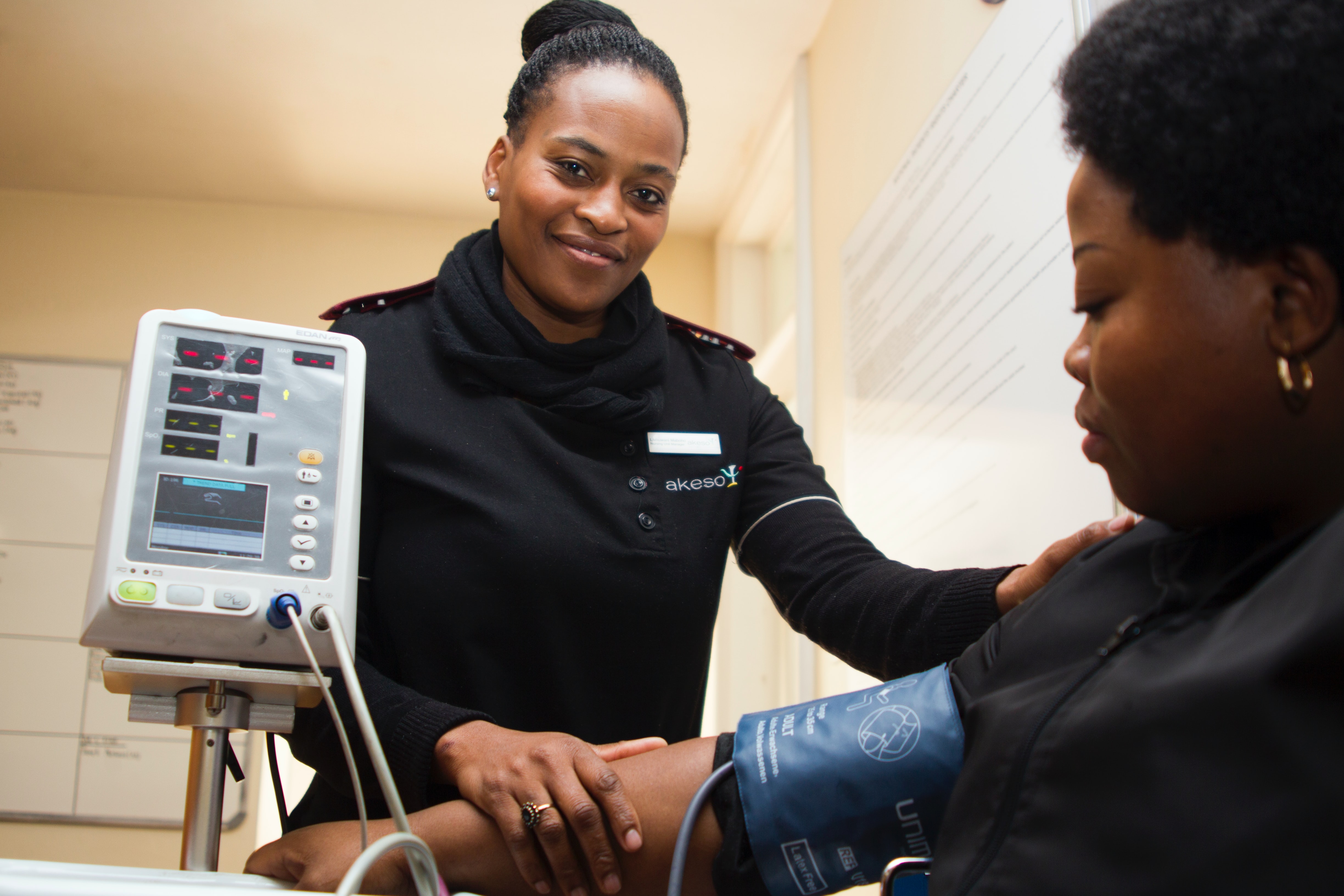
The definition of health is one that has changed as the field of medicine has developed.
In 1948, the World Health Organization (WHO) defined health as:
“Health is a state of complete physical, mental, and social well-being and not merely the absence of disease or infirmity.”
But in 1986, the WHO added onto their previous definition of health.
“A resource for everyday life, not the objective of living. Health is a positive concept emphasizing social and personal resources, as well as physical capacities.”
Other than the definitions provided by WHO, there also two more relevant and prominent definitions as to what is health.
“Health is a state that allows the individual to adequately cope with all demands of daily life.”
“Health is a state of balance, an equilibrium that an individual has established within himself and between himself and his social and physical environment.”
What all definitions have in common is that health is more than just the absence of disease or condition, but is an encompassing concept that involves numerous factors that deal with an individual’s well-being.
What is Well-being

One of the prominent definitions for well-being is the presence of satisfaction with life, being fulfilled, and being able to function in a positive manner. Well-being is also associated with the absence of negativity, in particular negative emotions that may hamper an individual’s functioning. However, in relation to public health well-being is generally associated with physical health and mental health, which has to do with a more holistic view on an individual’s well-being. Due to the subjective nature of well-being, it is largely measured through self-reporting. While there are some objective factors that can be observed, the majority of factors that contribute to an individual’s well-being is largely determined by that very same individual.
good health and well being
what is the goal?
The goal of Sustainable Development Goal (SDG) 3 is to: achieve universal health coverage, that seeks equitable access of healthcare services to all men and women. It proposes to end the preventable death of newborns, infants and children under five (child mortality) and end epidemics
SDG 3 is relevant more than ever, especially with the COVID-19 pandemic wreaking havoc across the globe. It has disrupted the national economies of every country, killed hundreds of millions of people, and its consequences can still be felt today. It signals that much progress has still to be made in accomplishing SDG 3. While much progress has already been made before COVID-19 arrived such as the increase in life expectancy and being able to curb maternal and child mortality, we can still do more. We can still do more to combat diseases that are still prevalent in certain countries, we can further improve the healthcare systems of our respective countries, and we can innovate new advances in medical technology. But most importantly, focus has to be made upon the ability for people to access healthcare in the first place, whether it be through improved basic sanitation and hygiene in areas that lack it, or the ease of being able to consult with doctors and physicians. COVID-19 has only further reiterated the need to be prepared in light of fulfilling SDG 3.
for a better tomorrow
Why is it important?
SDG 3 aims to prevent needless suffering from preventable diseases and premature death by focusing on key targets that boost the health of a country’s overall population. Regions with the highest burden of disease and neglected population groups and regions are priority areas. Goal 3 also calls for deeper investments in research and development, health financing and health risk reduction and management. Goal 3 also calls for deeper investments in research and development, health financing and health risk reduction and management.
UNICEF’s role in contributing to Goal 3 centers on healthy pregnancies (maternal mortality and skilled birth attendant), healthy childhoods (under-five and neonatal mortality) as well as vaccine coverage. UNICEF also contributes to monitoring elements of the universal health coverage indicator.
Targets
Everyone can help to make sure that we meet the Global Goals. Use these thirteen targets to create action to promote health and well-being for all.
Target 3.1 Reduce Maternal Mortality
By 2030, reduce the global maternal mortality ratio to less than 70 per 100,000 live births.
Target 3.2 End All Preventable Deaths Under 5 Years of Age
By 2030, end preventable deaths of newborns and children under 5 years of age, with all countries aiming to reduce neonatal mortality to at least as low as 12 per 1,000 live births and under‑5 mortality to at least as low as 25 per 1,000 live births.
Target 3.3 Fight Communicable Diseases
By 2030, end the epidemics of AIDS, tuberculosis, malaria and neglected tropical diseases and combat hepatitis, water-borne diseases and other communicable diseases.
Target 3.4 Reduce Mortality from Non-Communicable Diseases and Promote Mental Health
By 2030, reduce by one third premature mortality from non-communicable diseases through prevention and treatment and promote mental health and well-being.
Target 3.5 Prevent and Treat Substance Abuse
Strengthen the prevention and treatment of substance abuse, including narcotic drug abuse and harmful use of alcohol.
Target 3.6 Reduce Road Injuries and Deaths
By 2020, halve the number of global deaths and injuries from road traffic accidents.
Target 3.7 Universal Access to Sexual and Reproductive Care, Family Planning and Education
By 2030, ensure universal access to sexual and reproductive health-care services, including for family planning, information and education, and the integration of reproductive health into national strategies and programmes.
Target 3.8 Achieve Universal Health Coverage
Achieve universal health coverage, including financial risk protection, access to quality essential health-care services and access to safe, effective, quality and affordable essential medicines and vaccines for all.
Target 3.9 Reduce Illnesses and Death from Hazardous Chemicals and Pollution
By 2030, substantially reduce the number of deaths and illnesses from hazardous chemicals and air, water and soil pollution and contamination.
Target 3.A Implement the WHO Framework Convention on Tobacco Control
Strengthen the implementation of the World Health Organization Framework Convention on Tobacco Control in all countries, as appropriate.
Target 3.B Support Research Development and Universal Access to Affordable Vaccines and Medicines
Support the research and development of vaccines and medicines for the communicable and non-communicable diseases that primarily affect developing countries, provide access to affordable essential medicines and vaccines, in accordance with the Doha Declaration on the TRIPS Agreement and Public Health, which affirms the right of developing countries to use to the full the provisions in the Agreement on Trade-Related Aspects of Intellectual Property Rights regarding flexibilities to protect public health, and, in particular, provide access to medicines for all.
Target 3.C Increase Health Financing and Support Health Workforce in Developing Countries
Substantially increase health financing and the recruitment, development, training and retention of the health workforce in developing countries, especially in least developed countries and small island developing States.
Target 3.D Improve Early Warning Systems for Global Health Risks
Strengthen the capacity of all countries, in particular developing countries, for early warning, risk reduction and management of national and global health risks.
our thoughts
What is good health and well-being for you?